Unmatched Precision
for Complex Analytical Demands
Comprehensive Analytical Testing Across Every Element
Our Expertise:
Why Choose BATCO for Analytical Testing:
- Comprehensive Range:
From environmental samples to pharmaceutical compounds, our tests encompass all types of chemical, biological, and physical analyses.
- Advanced Methodologies:
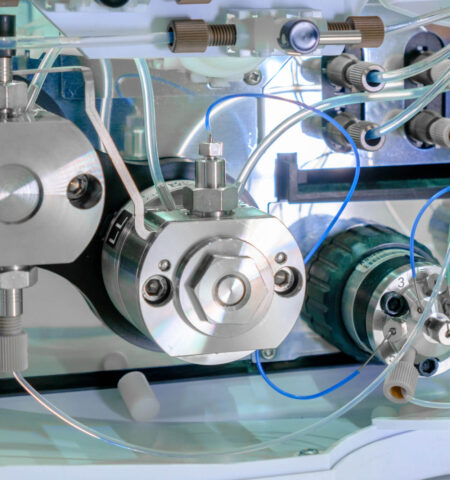
We utilize cutting-edge techniques such as GC-MS, HPLC, and spectroscopy to deliver detailed and accurate results.
- Regulatory Compliance:
Our testing procedures are designed to meet the highest standards of compliance for various industries, ensuring that your products and processes adhere to all relevant laws and regulations.
- Customized Solutions:
We understand that every client’s needs are unique. Our team works closely with you to develop testing protocols that are tailored to your specific requirements.
Commitment to Excellence:
At Bonner Analytical, your trust in our results drives our commitment to excellence. We continuously invest in the latest technology and training to ensure our testing services remain at the forefront of the analytical science field. Whether you are seeking to verify material safety, meet regulatory requirements, or solve a complex analytical challenge, we provide the data and insights you need to make informed decisions.
Testing Capabilities Include:
- Elemental Analysis:
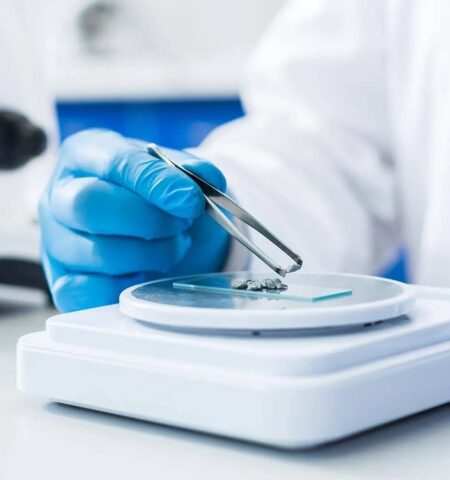
Complete testing for every element in the periodic table, using precise quantification methods to detect and measure elemental compositions.
- Environmental Testing:
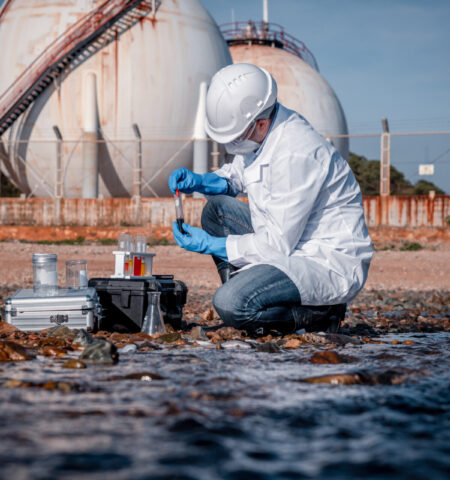
Assessing pollutants, contaminants, and environmental impact with rigor and precision.
- Biological and Microbiological Analysis:
Identifying and quantifying biological organisms and pathogens in any sample.
- Industrial and Safety Testing:
Ensuring workplace and product safety through comprehensive testing of materials and chemicals.
- Petroleum Testing:
Evaluating petroleum products for quality, efficacy, and compliance with industry standards.
EPA Method Summary Tables
| ASTM Method | Professional Description |
|---|---|
| D445 | Determines the kinematic viscosity of transparent and opaque liquids by measuring the time for a fixed volume to flow through a calibrated glass capillary viscometer under gravity. |
| D4007 | Quantifies water and sediment content in crude oil samples using a centrifugation technique to separate phases. |
| D240 | Measures the gross heat of combustion of liquid hydrocarbon fuels using a bomb calorimeter under standardized conditions. |
| D129 | Determines sulfur concentration in petroleum products using a bomb method followed by titrimetric or gravimetric analysis. |
| D482 | Measures ash content in petroleum products by complete combustion and weighing of the residue remaining after ignition. |
| D86 | Establishes the boiling range characteristics of petroleum products by distillation under controlled conditions to determine volatility. |
| D93 | Determines the flash point of petroleum products using the Pensky-Martens closed-cup apparatus to assess flammability risk. |
| D97 | Establishes the pour point of petroleum products by cooling a sample and determining the lowest temperature at which it will flow. |
| D130 | Evaluates corrosive sulfur compounds in petroleum products by immersing a polished copper strip and comparing it to standard strips. |
| D287 | Measures API gravity of crude petroleum and liquid petroleum products using a hydrometer to determine density. |
| D1298 | Determines density, relative density, or API gravity of crude petroleum and liquid petroleum products using a precision hydrometer. |
| D323 | Determines vapor pressure of petroleum products by measuring the pressure exerted at specific temperatures using a bomb apparatus. |
| D524 | Measures carbon residue remaining after oil evaporation and pyrolysis using the Ramsbottom carbon residue method. |
| D664 | Quantifies acid number in petroleum products by potentiometric titration to determine the mass of potassium hydroxide required to neutralize acidic constituents. |
| D974 | Determines acid and base numbers in petroleum products by color-indicator titration using standardized reagents. |
| D1552 | Measures sulfur content in petroleum products by high-temperature combustion and infrared detection. |
| D2622 | Determines sulfur content in petroleum products using wavelength-dispersive X-ray fluorescence spectrometry. |
| D4294 | Measures sulfur in petroleum and petroleum products using energy-dispersive X-ray fluorescence spectrometry for rapid analysis. |
| D5453 | Determines total sulfur in light hydrocarbons, spark ignition engine fuel, diesel engine fuel, and engine oil by ultraviolet fluorescence. |
| D6304 | Determines water content in petroleum products by coulometric Karl Fischer titration for precise moisture measurement. |
| D7678 | Quantifies total fluorine in aromatic hydrocarbons and their mixtures using oxidative pyrohydrolytic combustion followed by ion chromatography. |
| D8004 | Measures aromatic hydrocarbons in gasoline and gasoline-ethanol blends by multidimensional gas chromatography with flame ionization detection. |
| D8074 | Determines water content in petroleum products and hydrocarbons using near-infrared spectroscopy for rapid field analysis. |
| UOP539 | Analyzes corrosion tendency of petroleum products using the doctor test to detect reactive sulfur compounds that can corrode metals. |
| EPA Method | Professional Description |
|---|---|
| 200.2 | Provides procedures for acid digestion of aqueous samples and extracts prior to total metals determination by atomic absorption or ICP-AES. |
| 3010A | Describes acid digestion procedures for preparing aqueous samples, mobility-procedure extracts, and wastes containing suspended solids for metals analysis. |
| 3050B | Uses nitric acid and hydrogen peroxide digestion to prepare sediments, sludges, and soils for analysis by atomic absorption or ICP spectroscopy. |
| 3050C | An updated version of 3050B with procedural refinements for acid digestion of sediments, sludges, and soils for metals analysis. |
| 6010D | Determines metals and trace elements in water and wastes using inductively coupled plasma-atomic emission spectrometry (ICP-AES) for multi-element analysis. |
| 6020B | Detects trace elements in water, soil, and waste matrices using inductively coupled plasma-mass spectrometry (ICP-MS) for ultra-low level quantification. |
| 7196A | Determines hexavalent chromium (Cr+6) in aqueous samples using colorimetric analysis after complexation with diphenylcarbazide. |
| 7473 | Measures total mercury in aqueous and solid samples using thermal decomposition, amalgamation, and atomic absorption spectrophotometry. |
| 200.7 | Determines dissolved metals and some metalloids in drinking water, surface water, and wastewater using ICP-AES following appropriate sample preparation. |
| 200.8 | Quantifies trace elements in water and wastes by inductively coupled plasma-mass spectrometry (ICP-MS) with detection limits in the parts-per-trillion range. |
| 245.7 | Determines mercury in water by cold vapor atomic fluorescence spectrometry (CVAFS) for ultra-trace level detection with minimal matrix interference. |
| 7000B | Measures dissolved metals in aqueous samples using flame atomic absorption spectrophotometry (FAAS) for routine monitoring applications. |
| 7470A | Determines mercury in aqueous and solid samples using cold vapor atomic absorption spectrophotometry following acid digestion and reduction. |
| SW-846 3051A | Uses microwave-assisted acid digestion to prepare sediments, sludges, soils, and oils for metals analysis by various techniques. |
| 9045D | Determines soil pH using either an electrometric measurement in a 1:1 soil-to-water mixture or 1:2 soil-to-0.01M calcium chloride mixture. |
| 9056A | Measures inorganic anions (bromide, chloride, fluoride, nitrate, nitrite, sulfate, phosphate) in aqueous samples using ion chromatography. |
| EPA Method | Professional Description |
|---|---|
| Volatile Organic Compounds (VOCs) | |
| 524 | Determines volatile organic compounds in drinking water using purge and trap gas chromatography/mass spectrometry (GC/MS). |
| 625 | Determines semi-volatile organic compounds in municipal and industrial wastewater using gas chromatography/mass spectrometry after liquid-liquid extraction. |
| 5030C / 5035A | Describes purge-and-trap (5030C) and closed-system purge-and-trap (5035A) techniques for volatile organic analytes from aqueous samples before GC/MS analysis. |
| 8260C/D | Determines volatile organic compounds in solid waste samples, groundwater, and other environmental matrices using GC/MS with purge-and-trap. |
| TO-15 | Determines volatile organic compounds in ambient air using specially prepared canisters and gas chromatography/mass spectrometry analysis. |
| Semi-Volatile Organic Compounds (SVOCs) | |
| 3510C | Describes separatory funnel liquid-liquid extraction procedures for isolating organic compounds from aqueous samples for subsequent analysis. |
| 3540C | Uses Soxhlet extraction to isolate organic compounds from solids such as soils, sediments, and solid waste samples. |
| 3550C | Employs ultrasonic extraction to remove organic compounds from solid matrices including soils, sediments, and sludges for analysis. |
| 8015D | Determines nonhalogenated volatile and semi-volatile organic compounds using gas chromatography with flame ionization detection for petroleum hydrocarbons. |
| 8270D/E | Determines semi-volatile organic compounds including phenols, polynuclear aromatic hydrocarbons, and pesticides using capillary column GC/MS. |
| 8275A | Determines semi-volatile organic compounds using gas chromatography/mass spectrometry operated in the selected ion monitoring mode. |
| Polychlorinated Biphenyls (PCBs) | |
| 1668C | Quantifies polychlorinated biphenyl (PCB) congeners in water, soil, sediment, biosolids, and tissue using high-resolution gas chromatography/mass spectrometry. |
| 8082A | Determines polychlorinated biphenyls (PCBs) as Aroclors or as individual congeners using gas chromatography with electron capture detection. |
| Pesticides and Herbicides | |
| 505 | Analyzes organohalogens and chlorinated pesticides in drinking water using liquid-solid extraction and gas chromatography. |
| 507 | Determines nitrogen- and phosphorus-containing pesticides in drinking water using liquid-solid extraction and gas chromatography with nitrogen-phosphorus detection. |
| 515.4 | Measures chlorinated acids in drinking water using liquid-liquid extraction, derivatization, and gas chromatography with electron capture detection. |
| 8081B | Determines organochlorine pesticides in water, soil, and waste using gas chromatography with electron capture detection following appropriate extraction. |
| 8151A | Analyzes chlorinated herbicides in soil and water using gas chromatography with electron capture detection after methylation or pentafluorobenzylation. |
| Polynuclear Aromatic Hydrocarbons (PAHs) | |
| 8100 | Determines polynuclear aromatic hydrocarbons (PAHs) using high-performance liquid chromatography with ultraviolet or fluorescence detection. |
| 8310 | Quantifies polynuclear aromatic hydrocarbons in environmental samples using high-performance liquid chromatography with photodiode array detection. |
| Petroleum Hydrocarbons | |
| 8015C | Determines nonhalogenated volatile and extractable petroleum hydrocarbons using gas chromatography with flame ionization detection. |
| 8270D | Analyzes petroleum hydrocarbon fractions and polycyclic aromatic hydrocarbons in environmental samples using gas chromatography/mass spectrometry. |
| Explosives | |
| 8330B | Determines nitroaromatic, nitramine, and nitrate ester explosives in soil, sediment, and water by high-performance liquid chromatography. |
| 8061A | Determines phthalate esters in soil, sediment, sludges, and waste samples using gas chromatography with electron capture detection. |
| Phenols | |
| 8040C | Analyzes phenols in aqueous and solid waste samples using gas chromatography with flame ionization or mass spectrometric detection. |
| 8270E | Determines phenolic compounds along with other semi-volatile organics in environmental samples using capillary column GC/MS. |
| Emerging Contaminants | |
| 533 | Determines per- and polyfluoroalkyl substances (PFAS) in drinking water using solid phase extraction and liquid chromatography/tandem mass spectrometry. |
| 537.1 | Measures selected per- and polyfluoroalkyl substances in drinking water using solid phase extraction and liquid chromatography/tandem mass spectrometry. |
| 1633 | Analyzes 40 PFAS compounds in aqueous, solid, and biosolids samples using liquid chromatography/tandem mass spectrometry with isotope dilution. |
| Total Petroleum Hydrocarbons (TPH) | |
| 418.1 | Determines total recoverable petroleum hydrocarbons in water using solvent extraction and infrared spectrophotometry. |
| 8015D | Quantifies total petroleum hydrocarbons (TPH) as gasoline range organics (GRO) and diesel range organics (DRO) using gas chromatography with FID. |
| Solvents | |
| 8260D | Analyzes chlorinated solvents and other volatile organic compounds in environmental samples using purge-and-trap GC/MS. |
| General Extraction Methods | |
| 3545A | Uses pressurized fluid extraction to remove organic compounds from solid matrices using elevated temperature and pressure. |
| 3546 | Employs microwave extraction to rapidly isolate organic compounds from solid environmental samples for subsequent analysis. |
| 3580A | Describes waste dilution procedures for samples containing high concentrations of organic compounds before analysis. |
| Method | Professional Description |
|---|---|
| ASTM E1527 | Standard practice for conducting Phase I ESAs for environmental site assessments of commercial real estate to identify potential environmental contamination. |
| NIOSH 600 | Determines airborne asbestos fiber concentrations using phase contrast microscopy for occupational exposure assessment in workplace air. |
| NIOSH 7400 | Measures airborne fiber concentrations to support assessment of worker exposure to asbestos and other fibers using phase contrast microscopy. |
| NIOSH 7082 | Determines airborne mercury levels during industrial hygiene assessments using cold vapor atomic absorption spectroscopy. |
| NIOSH 7300 | Analyzes workplace air for metallic elements using inductively coupled plasma-atomic emission spectrometry for comprehensive metals exposure monitoring. |
| NIOSH 9100 | Determines concentrations of various solvents and volatile organic compounds in workplace air using thermal desorption gas chromatography/mass spectrometry. |
| PLM (Polarized Light Microscopy) | Identifies and quantifies asbestos in building materials using polarized light microscopy to determine fiber type and percentage for abatement projects. |
| TEM (Transmission Electron Microscopy) | Provides high-resolution identification and quantification of asbestos fibers in air and bulk samples for regulatory clearance testing. |
| Method | Professional Description |
|---|---|
| EPA 120.1 | Measures specific conductance to assess dissolved ion concentration in water samples using an electrical conductivity meter at 25°C. |
| EPA 160.4 | Determines suspended solids using gravimetric analysis by filtering a known volume and weighing the dried residue on a glass fiber filter. |
| EPA 180.1 | Measures turbidity in drinking water using nephelometric methods to assess water clarity and particulate matter content. |
| EPA 20.1 | Measures turbidity using nephelometric techniques to determine light scattering caused by suspended particles in water samples. |
| EPA 310.2 | Determines alkalinity in water samples by titration to assess the buffering capacity and acid-neutralizing ability. |
| EPA 325.2 | Measures chloride concentration in water samples using mercuric nitrate titration with diphenylcarbazone indicator. |
| EPA 350.1 | Determines ammonia nitrogen in water samples using colorimetric analysis after distillation to remove interfering substances. |
| EPA 365.1 | Measures total phosphorus in water samples using colorimetric ascorbic acid method after persulfate digestion. |
| EPA 375.4 | Determines sulfate concentration in water samples using turbidimetric analysis after precipitation with barium chloride. |
| EPA 410.4 | Measures chemical oxygen demand (COD) in water using closed reflux colorimetric method to assess organic content. |
| EPA 420.1 | Determines phenolic compounds in water samples using colorimetric 4-aminoantipyrine method after distillation. |
| EPA 150.1 | Measures pH of water samples using electrometric method with glass electrode to determine acidity or alkalinity. |
| EPA 160.1 | Determines total dissolved solids (TDS) by evaporating a filtered water sample and weighing the dried residue at 180°C. |
| EPA 160.2 | Measures total suspended solids (TSS) using gravimetric analysis by filtering and drying at 103-105°C. |
| EPA 300.0 | Determines inorganic anions including fluoride, chloride, nitrite, nitrate, and sulfate in water using ion chromatography. |
| EPA 300.1 | Analyzes inorganic anions in drinking water by ion chromatography with chemical suppression of eluent conductivity. |
| EPA 335.4 | Determines cyanide in water samples using colorimetric analysis after distillation to separate cyanide from interferences. |
| EPA 353.2 | Measures nitrate-nitrogen in water using automated cadmium reduction followed by colorimetric determination. |
| EPA 365.4 | Determines orthophosphate in water samples using automated ascorbic acid colorimetric method with continuous flow analysis. |
| EPA 405.1 | Measures biochemical oxygen demand (BOD5) in water by incubating samples for 5 days at 20°C and measuring dissolved oxygen depletion. |
| EPA 410.1 | Determines chemical oxygen demand (COD) in water using titrimetric dichromate reflux method to assess oxidizable organic matter. |
| EPA 413.1 | Measures oil and grease in water samples using gravimetric analysis after solvent extraction with trichlorotrifluoroethane. |
| EPA 415.1 | Determines total organic carbon (TOC) in water by combustion-infrared method to measure all organic carbon compounds. |
| EPA 420.4 | Analyzes phenolic compounds in water using gas chromatography after derivatization for improved sensitivity and selectivity. |
| EPA 440.0 | Measures residual chlorine in water samples using amperometric titration for accurate determination in drinking and wastewater. |
| EPA 450.1 | Determines total and soluble reactive silica in water samples using colorimetric molybdosilicate method. |
| SM 2320B | Measures total alkalinity in water by potentiometric titration to determine the capacity to neutralize acid. |
| SM 2340C | Determines water hardness by EDTA titrimetric method to measure calcium and magnesium concentrations. |
| SM 2510B | Measures electrical conductivity in water samples using an electrode to assess total dissolved ion concentration. |
| SM 2540C | Determines total dissolved solids in water by evaporating a filtered sample and weighing the residue after drying. |
| SM 2540D | Measures total suspended solids using gravimetric method by filtering a known volume and drying the filter. |
| SM 4500-Cl G | Determines free chlorine in water using DPD colorimetric method for drinking water and pool monitoring. |
| SM 4500-CN C | Measures total cyanide in water samples using distillation followed by colorimetric or titrimetric analysis. |
| SM 4500-F C | Determines fluoride in water using ion-selective electrode method for drinking water compliance monitoring. |
| SM 4500-H+ B | Measures pH of water samples using electrometric method with standardized glass electrode and reference electrode. |
| SM 4500-NH3 | Determines ammonia nitrogen in water using distillation and titration or colorimetric nesslerization method. |
| SM 4500-NO3 | Measures nitrate concentration in water using cadmium reduction method followed by colorimetric determination. |
| SM 4500-O G | Determines dissolved oxygen in water using membrane electrode method for immediate field or laboratory measurement. |
| SM 4500-P | Analyzes phosphorus compounds in water including orthophosphate, condensed phosphates, and organic phosphorus forms. |
| SM 4500-S2 D | Measures sulfide in water samples using methylene blue colorimetric method after appropriate sample preservation. |
| SM 5210B | Determines 5-day biochemical oxygen demand (BOD5) by measuring dissolved oxygen consumption during incubation. |
| SM 5220D | Measures chemical oxygen demand (COD) using closed reflux colorimetric method for wastewater characterization. |
| Parameter | Description | Method Code(s) |
|---|---|---|
| Drinking Water | ||
| Total Coliform | Indicator group used to assess general water system integrity and treatment effectiveness; not necessarily fecal in origin. | SM 9223 (Colilert-18) |
| Escherichia coli (E. coli) | Specific indicator of recent fecal contamination. | SM 9223 (Colilert-18) |
| Heterotrophic Plate Count (HPC) | Measures heterotrophic bacterial populations to evaluate microbial regrowth and distribution system performance; not a fecal indicator. | SM 9215 |
| Streptococccus & Enterococci | Intestinal bacteria used as indicators of fecal contamination, particularly for surface water influence. | SM 9230 |
| Wastewater (Influent / Effluent / Reuse) | ||
| Fecal Coliform | Thermotolerant coliform group historically used as an indicator of fecal pollution in wastewater and reuse applications. | SM 9223B (Colilert-18 Quanti-Tray) |
| E. coli | More specific fecal indicator increasingly accepted in wastewater monitoring when permitted. | SM 9223B (Colilert-18 Quanti-Tray) |
| Streptococccus & Enterococci | Fecal indicator organisms with greater environmental persistence than coliforms; commonly required for reuse and recreational waters. | SM 9230 |
| Total Coliform | Broad indicator group used for process control and supplemental monitoring. | SM 9222B |
| Heterotrophic Plate Count (HPC) | General indicator of microbial loading and treatment performance. | SM 9215 |
| Acute Toxicity (WET) | Short-term bioassay evaluating lethal effects of wastewater on aquatic organisms. | EPA 1000.0 |
| Chronic Toxicity (WET) | Long-term bioassay evaluating sub-lethal effects including growth and reproduction. | EPA 1002.0 |
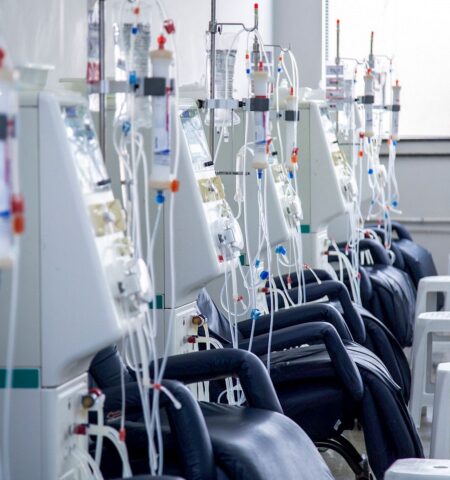
| Dialysis Water and Dialysate | ||
| Heterotrophic Plate Count (HPC) | Enumeration of low-nutrient bacteria to assess biofilm potential and system sanitation effectiveness. | SM 9215C |
| Total Microbial Count | Quantification of culturable microorganisms by membrane filtration for high-purity water systems. | SM 9215D |
| Endotoxin | Qualitative or quantitative evaluation of endotoxin levels to ensure patient safety and dialysis water compliance. | LAL (Gel-Clot or Chromogenic), AAMI / ISO 23500 |
| Pseudomonas aeruginosa | Opportunistic pathogen monitored to prevent patient exposure. | SM 9213 |
| Yeast and Mold | Fungal organisms evaluated to assess environmental contamination and system hygiene. | SM 9610B |
| Water System Integrity (Biofilm Monitoring) | Assessment of microbial biofilm formation potential on distribution piping and storage tanks to maintain dialysis water safety. | SM 9215 |
| Legionella | Opportunistic pathogen of concern in drinking water, cooling towers, and healthcare systems. | Legiolert (IDEXX); CDC ELITE Culture Method |
| Bottled Water, Process Water, and Quality-Based Monitoring | ||
| Heterotrophic Plate Count (HPC @ 22 °C / 35 °C) | Enumeration of heterotrophic bacteria to assess product quality and shelf stability. | AOAC OMA 966.23 |
| Total Coliform & E. coli | Indicators of sanitary quality and product safety for bottled water and process water systems. | AOAC OMA 991.15 |
| Pseudomonas aeruginosa | Indicator of post-treatment contamination and process hygiene. | AOAC OMA 969.38 |
| Yeast and Mold | Fungal contamination assessment for product integrity, shelf life, and environmental monitoring. | AOAC OMA 997.02 |
| Legionella | Opportunistic pathogen of concern in drinking water. | Legiolert (IDEXX); CDC ELITE Culture Method |
| Food Stuffs | ||
| Lactic Acid Bacteria | Beneficial or spoilage-associated bacteria; enumeration used to monitor fermentation or product stability. | AOAC OMA 2001.11; 2001.12 |
| Listeria spp. | Pathogenic bacteria monitored for food safety. | AOAC OMA 999.03; 2013.07 |
| Salmonella spp. | Foodborne pathogen monitored for food safety. | AOAC OMA 2003.07; 2011.02 |
| Aerobic Plate Count (APC) | Enumeration of aerobic microorganisms to evaluate product hygiene, spoilage potential, and process control. | AOAC OMA 966.23; 990.12 |
| Anaerobic Plate Count | Enumeration of anaerobic microorganisms to assess microbial quality and spoilage potential under reduced-oxygen conditions. | AOAC OMA 985.27 |
| Water Activity (a_w) | Measurement of the available water in a food product that supports microbial growth; critical for predicting shelf-life and safety. | FDA BAM 16C & 17C |
| Staphylococcus aureus | Indicator of post-processing contamination and potential toxin production; enumeration and confirmation used to assess food safety and handling hygiene. | AOAC OMA 975.55; 2003.11 |
| Total Coliform & E. coli | Indicators of sanitary quality and product safety for for testing equipment, raw materials, food products and manufacturing environmental samples. | AOAC OMA 991.15 |
| Yeast and Mold | Fungal contamination assessment for product integrity, shelf life, and environmental monitoring. | AOAC OMA 997.02 |
| Bacillus cereus | Spore-forming foodborne pathogen associated with improper temperature control; enumeration and detection used to assess food safety risk. | AOAC OMA 2025.01 |